Hytale Kweebec Guide: Villages, Behavior, Drops, and Rootling Merchant
Hytale Kweebec Guide: Villages, Behavior, Drops, and Rootling Merchant
Hytale kweebec guide for Zone 1 players. Learn village behavior, life cycle, Rootling Merchant trades, and the best way to farm Essence of Life safely.
Quick Summary
Best MethodIf you are searching for hytale kweebec locations, the short answer is this: Kweebecs are a mostly friendly, tree-like humanoid faction in Emerald Grove (Zone 1), and they are best approached as trade allies, not farming targets. Their villages offer reliable access to the Rootling Merchant, recipes, and early progression resources tied to Essence of Life. They only become dangerous when you threaten trees or villagers, which can trigger elite defenders armed with Razor Spears and ranged razor-leaf attacks. This guide covers where to find Kweebecs, how their life cycle works, their culture, what they sell, and how to avoid turning a peaceful village into a spear storm.

Hytale Kweebec At a Glance
Section titled “Hytale Kweebec At a Glance”| Category | Details |
|---|---|
| Faction | Kweebec |
| Species Type | Tree-like humanoid |
| Primary Zone | Emerald Grove (Zone 1) — grasslands, forests, swamps |
| Other Locations | Temple of Gaia, occasional scouts in Zones 2 and 3 |
| Temperament | Passive by default, defensive when provoked |
| Village Threat | Spear guards + elite Razorleaf Rangers |
| Trade NPC | Rootling Merchant |
| Currency | Essence of Life |
| Religion | Worship the goddess Gaia |
Kweebecs are one of the most distinct cultures in Zone 1 because their survival loop is tied directly to trees and seasonal growth. That design explains why they react so strongly to axes and tree destruction. For village placement context and other nearby points of interest, use the World Locations hub: /world/locations/.
Where to Find Kweebecs
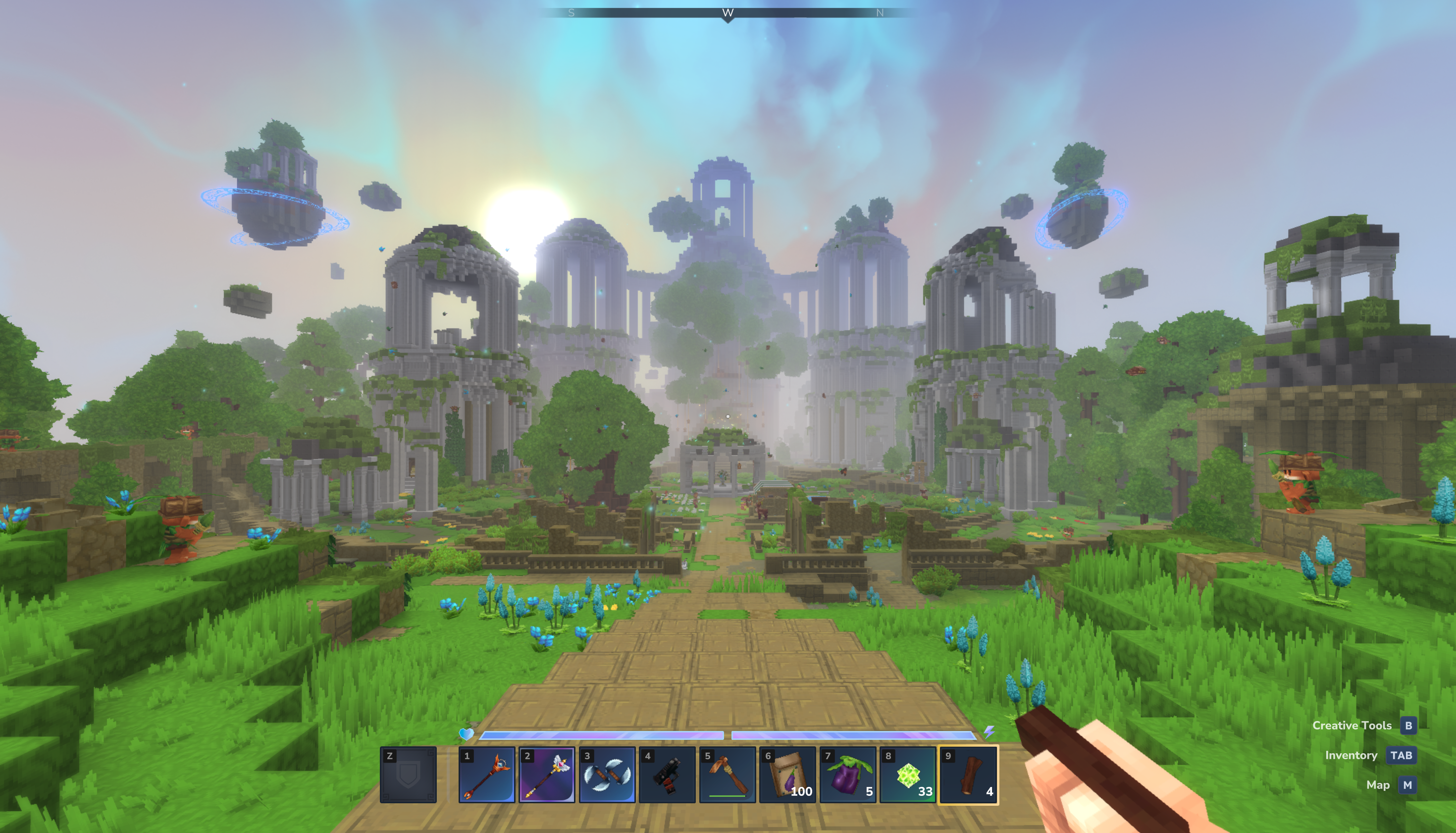
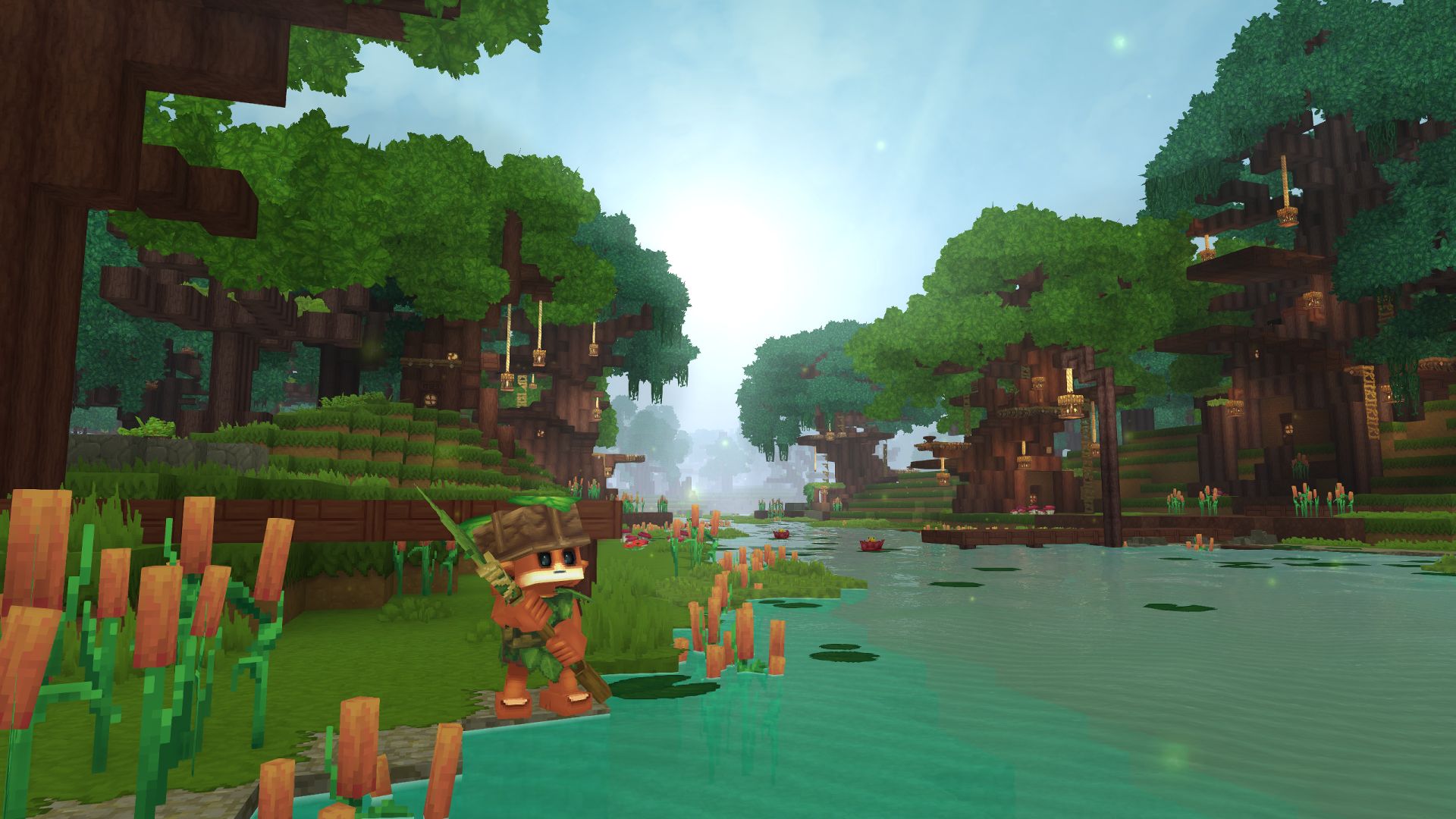
Section titled “Where to Find Kweebecs”Kweebecs spawn most consistently in Emerald Grove across forests and marshland belts. Zone 1 biomes include grasslands, dense forests, and swamp regions, all of which can contain Kweebec settlements. Villages are the most reliable place to find multiple adults, guards, and a merchant in one stop.
Secondary spawn patterns also matter for route planning:
- Temple of Gaia is a large floating mass of earth with a ruined temple on top. It houses the Garden of Elements and dungeons, and a corrupted golem guards its center. Kweebec presence here is tied to their worship of Gaia and progression flow.
- Scout groups can appear outside Zone 1, including occasional sightings in the savannahs of Zone 2 and the taiga of Zone 3, though these remain uncommon.
- The Forgotten Temple area can include a Rootling Merchant, which is useful during Memory turn-ins.
If you are building an early route, place your first camp near a Kweebec village and the Forgotten Temple corridor. This reduces backtracking between trading, crafting, and progression milestones.
Kweebec Life Cycle and Why It Matters
Section titled “Kweebec Life Cycle and Why It Matters”Kweebec progression follows a four-stage life cycle that is both lore and gameplay relevant.
| Stage | Description | Gameplay Impact |
|---|---|---|
| Seedling | Born from trees as a seed-like orb with tiny limbs | Establishes tree-linked spawn identity |
| Child | Raised by a Treesinger elder who teaches Kweebec history and guides their growth | Signals village social structure; Treesingers are key cultural figures |
| Adult | Becomes artisan, cultivator, or warrior | Most interactions happen at this stage |
| Autumnal Elder | Movement slows over time; elder roots into the ground and transforms back into a tree, releasing seeds for the next generation | Natural seed drops occur at life-cycle end |
The elder transformation is not cosmetic flavor only. It supports seed generation and reinforces why Kweebecs treat tree damage as a direct threat to their future population. Each elder who becomes a tree may birth the next wave of Seedlings, making every tree in a Kweebec village a potential ancestor or future citizen.
Kweebec Culture and Lore
Section titled “Kweebec Culture and Lore”Kweebecs are not standard fantasy NPCs. Their biology and culture are deeply plant-based, which affects how you should interact with them.
Nutrition and Behavior
Section titled “Nutrition and Behavior”Kweebecs obtain nutrients from the sun through a process similar to photosynthesis. You can observe them sunbathing in open clearings to absorb energy. They also absorb water by dipping their feet into streams and pools, much like tree roots. They do not eat or drink in the conventional sense.
Gaia Worship
Section titled “Gaia Worship”Kweebecs worship the goddess Gaia and carve effigies in her image from ancient wood — specifically wood sourced from their ancestors’ trees. This practice links directly to the elder transformation: when an Autumnal Elder roots and becomes a tree, that wood becomes sacred material for future religious carvings.
Village Architecture
Section titled “Village Architecture”Kweebec villages are built inside large, hollowed-out tree trunks that extend underground. These structures include living spaces, bedrooms, and communal areas. The vertical tree-trunk design reflects their connection to the forest canopy and root systems.
Kweebec Behavior and Aggro Triggers
Section titled “Kweebec Behavior and Aggro Triggers”Kweebecs are friendly until a clear threat appears. Most accidental fights happen because players enter a village while still holding lumber tools.
Triggers that turn villages hostile
Section titled “Triggers that turn villages hostile”- Entering with an axe or another tree-damaging tool visible.
- Damaging any villager, even once.
- Attacking Kweebec children specifically summons Razorleaf Rangers.
- Repeated aggressive movement around guard clusters.
Once triggered, spear-carrying guards engage immediately. Guard warriors wear wooden helmets and leaf chestplates and attack with Razor Spears. Elite Razorleaf Rangers use ranged razor-leaf projectiles and are extremely difficult for early Zone 1 gear.
Safe reset method
Section titled “Safe reset method”- Stop attacking and disengage.
- Leave the village perimeter completely.
- Return after a short interval; aggro usually clears.
Do not force early fights unless your objective is combat testing. Trading and routing value is far higher than village loot value for most players.
Rootling Merchant Trades and Best Buy Priority
Section titled “Rootling Merchant Trades and Best Buy Priority”Each Kweebec village has one Rootling Merchant, and another merchant can appear in the Forgotten Temple. Look for the distinctive headdress and earrings, then press F to trade.
| Merchant Rule | Value |
|---|---|
| Currency | Essence of Life |
| Typical Price | 20 to 75 Essence per item |
| Visible Stock | 9 items |
| Refresh Timer | Inventory rotates every 2–3 in-game days |
Common stock includes cooking ingredients, consumables, and recipe unlocks such as Salt Dough, Spices, Skewers, and multiple pie recipes. Because Essence is limited in early game, spend it on items that unblock systems first, then convenience food.
How to Farm Essence of Life
Section titled “How to Farm Essence of Life”Essence of Life appears as a glowing green orb and is one of the most important early resources. You earn it through multiple sources:
- Harvesting plants and crops — both wild-gathered and farm-grown. Lettuce is an efficient early crop; aubergine and pumpkin offer better conversion ratios at scale.
- Defeating mobs — most Zone 1 enemies can drop Essence.
- Looting chests — village and dungeon chests often contain small Essence amounts.
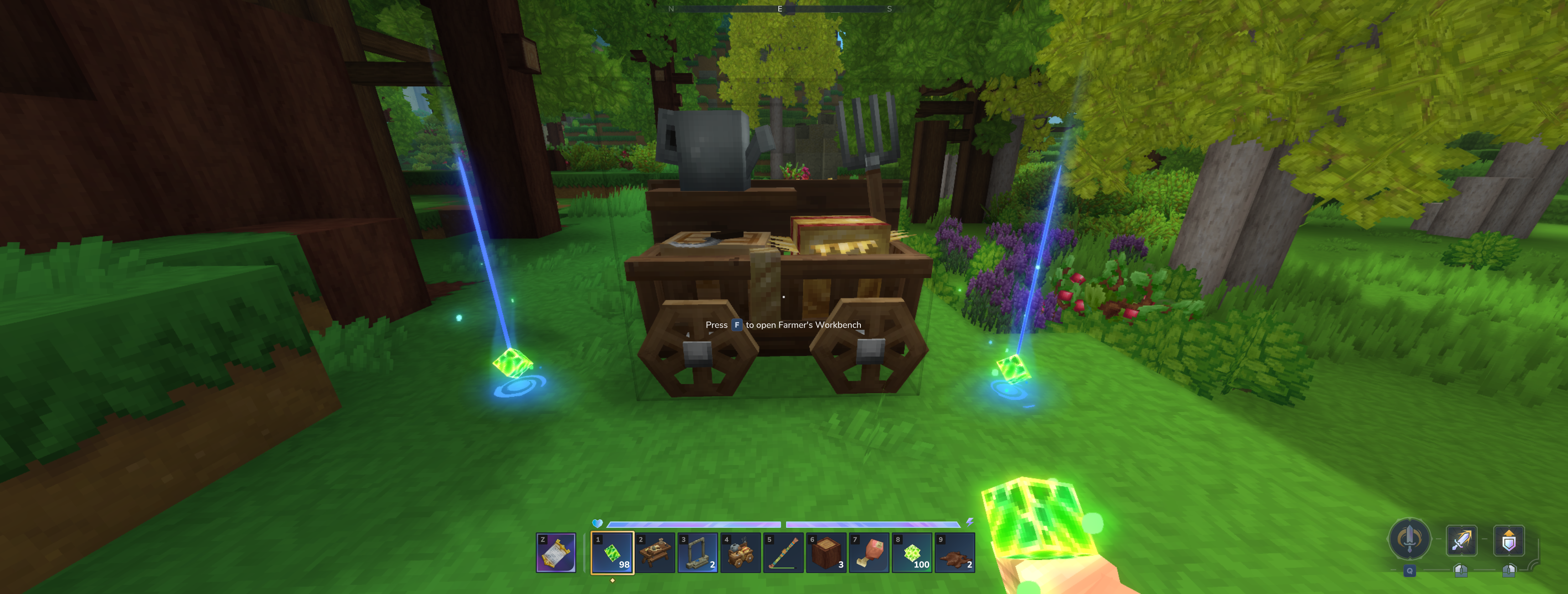
Essence of Life is also a required ingredient for crafting farming tools at the Farmer’s Workbench, so budget your spending between merchant trades and workbench upgrades.
For a dedicated Essence route guide, see: /farming/life-essence/.
Loot, Drops, and Village Chest Value
Section titled “Loot, Drops, and Village Chest Value”Kweebec village chests can contain a useful early spread of supplies:
- Cauliflower Seed Bag
- Oak Log
- Light Hide
- Wheat Seed Bag
- Azure Log
- Grilled Fish
- Crude Battleaxe
Known Kweebec drop behavior:
| Source | Known Drops |
|---|---|
| Autumnal Elder natural end-of-life | Seeds |
| Kweebec loot tables (Jan 2026 update) | Expanded loot entries for Kweebecs and Trorks |
| Combat kill drops | Stats being documented |
This makes villages a good mixed stop for food, seed acceleration, and early crafting support without requiring high-risk dungeon runs.
Progression Role: When to Visit and When to Leave
Section titled “Progression Role: When to Visit and When to Leave”For most players, Kweebec villages are best used as a Zone 1 support hub instead of a long-term farm loop.
Use villages for:
- Early recipes and consumables.
- Essence spending while your farm scales.
- Safe faction interactions before harder zone transitions.
Then pivot toward progression objectives:
- Submit Memories and unlock milestones at /progression/forgotten-temple/.
- Build mobility with teleporters at /progression/teleporters/.
This sequence keeps your hytale kweebec interactions efficient without stalling overall advancement.
Common Questions
Section titled “Common Questions”Where do Kweebecs spawn in Hytale?
Section titled “Where do Kweebecs spawn in Hytale?”Kweebecs primarily spawn in Emerald Grove (Zone 1), especially around villages in forest and marshland regions. You can also find them in the Temple of Gaia and occasionally as scouts in Zones 2 and 3.
Why did Kweebecs attack me on sight?
Section titled “Why did Kweebecs attack me on sight?”Kweebecs become hostile if you enter their village while holding an axe or tree-damaging tool, or if you hit a villager. Leave the area and return after aggro fades.
What currency does the Rootling Merchant use?
Section titled “What currency does the Rootling Merchant use?”The Rootling Merchant uses Essence of Life. Most items cost between 20 and 75 Essence of Life.
How often does Rootling Merchant stock refresh?
Section titled “How often does Rootling Merchant stock refresh?”The merchant carries 9 items at a time and refreshes inventory every 2 to 3 in-game days.
What do Kweebecs drop in Hytale?
Section titled “What do Kweebecs drop in Hytale?”Autumnal Elders naturally drop seeds when they complete their life cycle. Loot tables were expanded for Kweebecs in the January 2026 update, with more drops still being documented.
Are Kweebecs hostile by default?
Section titled “Are Kweebecs hostile by default?”No. Kweebecs are normally passive and friendly, but they defend their villages aggressively when provoked.
Sources
Section titled “Sources”Kweebec spawn regions, life-cycle stages, cultural behavior (sunbathing, Gaia worship, village architecture), village aggression triggers, warrior equipment, Razorleaf Ranger abilities, Rootling Merchant pricing and restock behavior, Essence of Life sources, and village chest items are compiled from in-game observation, official Hytale blog posts, and documented Early Access testing notes through February 2026. January 2026 loot-table updates for Kweebecs and Trorks are based on patch tracking summaries used for Kweebedia content updates.